Time, made functional
Kala means time — so the player keeps time through the sky. The theme follows your local hour (dawn, day, dusk, night), and the moon on the seek bar is tonight’s real moon, drawn from its computed phase.
Video.js Skins Design Challenge · Contra × Mux
A living observatory — a player synced to the real sky.
Kala — Sanskrit & Indonesian for time. This Video.js v10 skin does not just look like an observatory; it behaves like one. Its theme follows your local time of day, the moon on the seek bar shows tonight’s actual phase, and the chapters are the constellations genuinely up tonight — all computed on your device, with no network calls. Built for slow cinema, space documentaries, and night-sky films — the kind of video you watch with the lights off.
Tonight’s moon
Constellations tonight
The same data lives inside the player — press the moon button in the top bar. Computed on your device from the date & time; rise & set times are estimates.
01 · The concept
Most players are neutral chrome. Kala picks a niche — the night-sky film — and commits to it, so every detail has a reason to exist. The living version goes one step further: the observatory reads the actual sky above the viewer.
Kala means time — so the player keeps time through the sky. The theme follows your local hour (dawn, day, dusk, night), and the moon on the seek bar is tonight’s real moon, drawn from its computed phase.
Chapters are named after the constellations genuinely up tonight — Crux, Orion, Cetus, and the rest, picked by real altitude math — and the Tonight’s sky panel reports the moon’s phase, rise, and set. No two nights show the same player.
Every control is keyboard-operable, labelled, and reachable by touch — including frame-step keys for studying a shot. The shortcuts guide is one ? away, and the skin stays readable with reduced motion, high contrast, and forced colors.
02 · The design story
An observatory is a place that measures the night. Kala treats the player the same way: every visual choice is a measurement first, and a decoration second.
An observatory measures the night against the horizon line, so the seek bar became one — the Night Arc. Progress is an aurora rolling across it, and the thumb is the moon travelling that arc, showing the phase it has tonight.
Sailors and astronomers navigate by stars; a viewer navigates a film by chapters. Kala names its chapters after tonight’s real constellations, so the seek bar reads like a star chart for the evening you are actually in.
The moon’s phase is computed from the standard synodic cycle; constellation altitudes come from local sidereal time. Rise and set times are labelled estimates, because they are approximations — and everything runs on your device, with no network calls and no location request.
The living sky is the default, not a gimmick mode: Auto is on when the page loads. The
three manual skies (Midnight, Aurora, Ember) stay for anyone who wants a fixed mood —
and the whole skin still honours the public --media-accent-color property.
03 · Anatomy
A horizon-line seek bar with an aurora gradient fill, a buffered shimmer, and a thumb that is tonight’s real moon — its phase drawn from the computed lunar cycle. It swells under your pointer; the hover card shows a live thumbnail, time, and chapter.
Every chapter boundary is a twinkling star on the arc — and every chapter is named after a constellation genuinely up tonight. Hover one to preview its moment; the title block names the chapter you are in.
The moon button in the top bar opens tonight’s sky: the moon’s phase and illumination, estimated moonrise and moonset, and the four constellations climbing highest tonight — with rise and set times.
The big play button is a glowing ring with a breathing halo while paused, flanked by ±10s seek buttons. Double-tap the sides to seek; double-tap the middle for fullscreen.
The volume slider unfurls from the mute button on hover or focus, with a live percentage pill. On touch it stays open where there is room.
Quality (with live HLS renditions), audio tracks, playback speed, and captions — in a glass menu with submenus, all keyboard navigable.
Press ? or the keyboard button for the full shortcut map — play, seek, frame step, volume, fullscreen, PiP, captions, speed, and jump-to-percentage keys.
Auto mode follows your local hour through four palettes — dawn, day, dusk, night — with a soft crossfade. Midnight, Aurora, and Ember stay as fixed moods, one click away.
Glass pills confirm volume, seek, fullscreen, PiP, and caption changes; the orbiting-dot spinner marks buffering; screen-reader announcements narrate state.
04 · Skies
Auto is the default: the player reads your local time and moves through dawn, day,
dusk, and night on its own. Pick a fixed sky instead and the hero player above changes
with it. The skin also honours the public
--media-accent-color property, so any site can re-tint it.
05 · Footage
Switch the footage above: Cosmic Dawn is the James Webb story, dark clean rooms and golden mirrors; Daylight is bright Earth from the ISS. The glass console, scrims, and lantern focus ring are built to hold contrast against both.
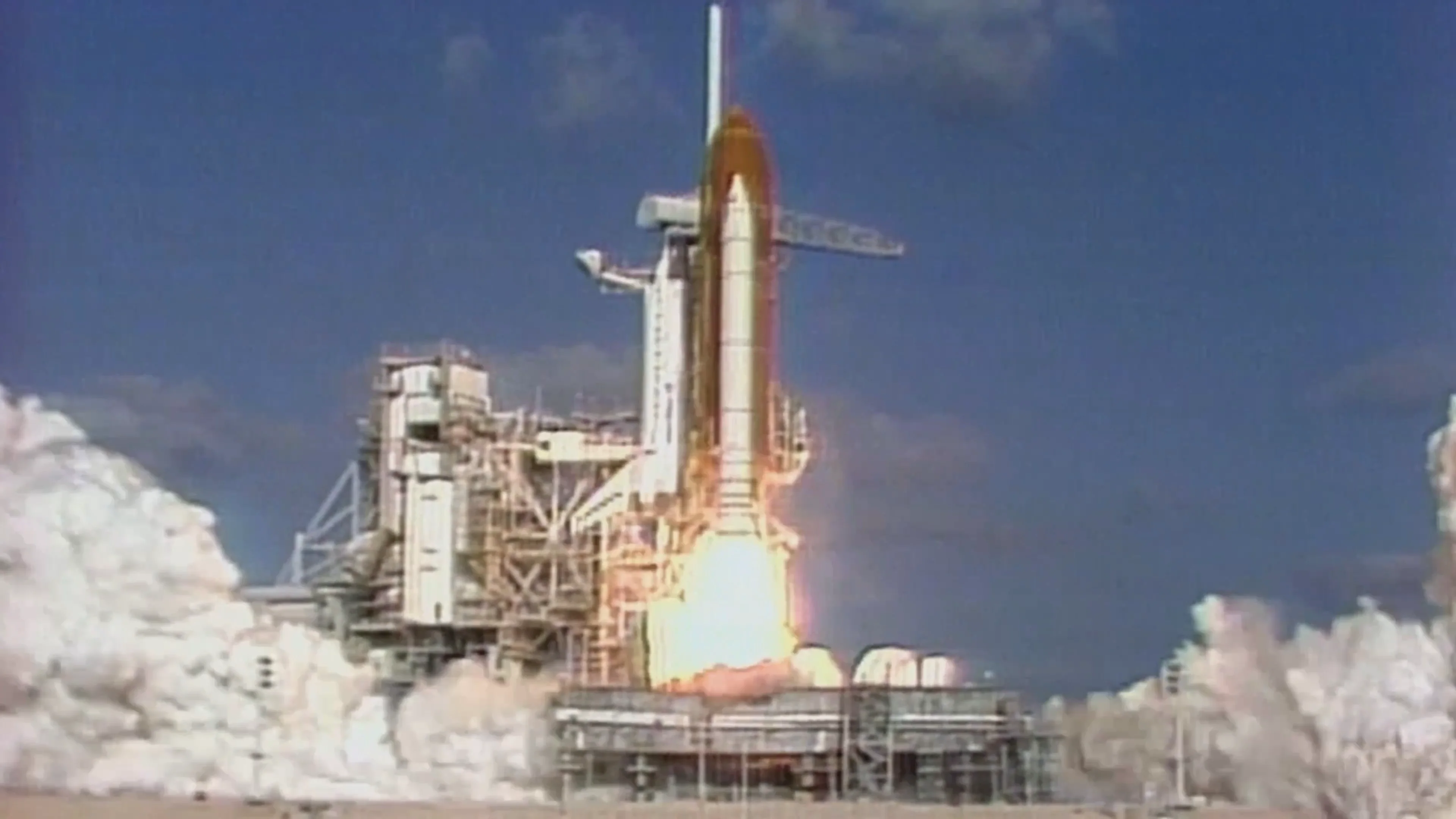
The voyage to the Webb telescope. Archival NASA footage, streamed from Mux with HLS quality levels — its chapters re-named nightly after tonight’s constellations.
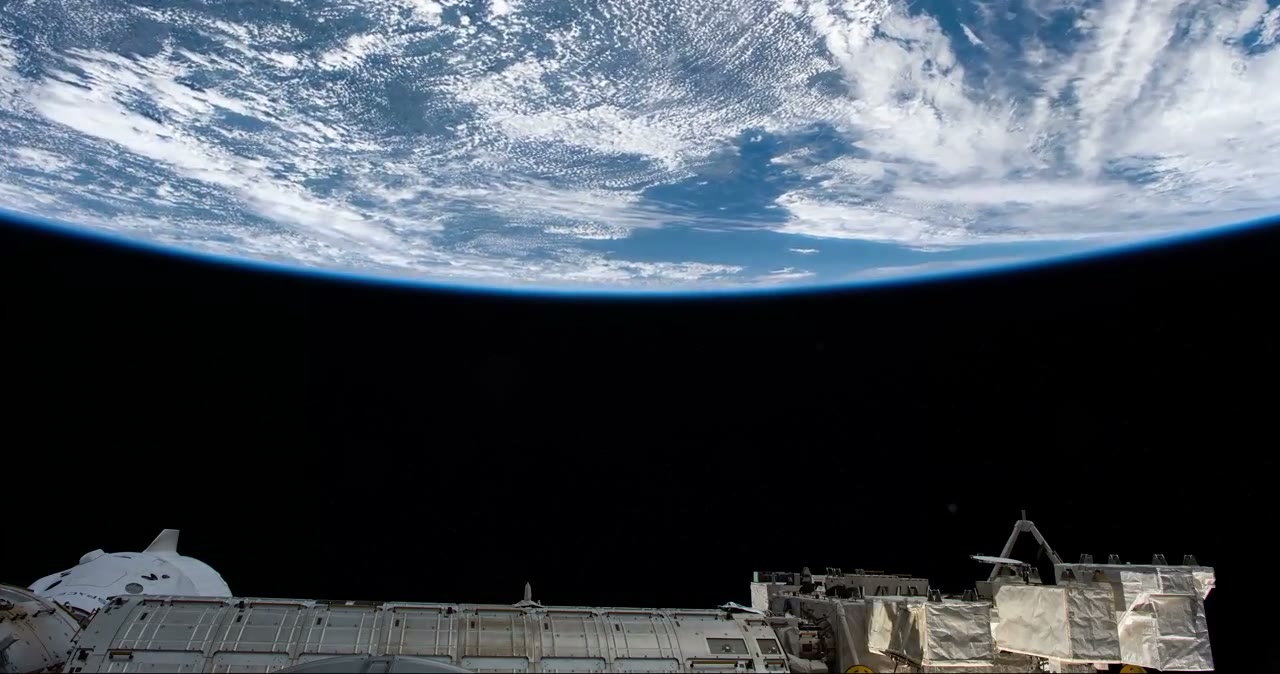
Expedition 65 over bright cloud seas, closing with an aurora. NASA, public domain. The default stream comes from our own Mux asset.
06 · Small screens
Below 26rem the bar sheds its secondary buttons into the Settings menu, the time readout collapses to a toggle, and touch targets stay 44 px. Try it — this player is live.
07 · Keyboard
| Action | Keys |
|---|---|
| Play / pause | Space K |
| Seek back / forward 10s | J L ← → |
| Frame step back / forward | , . |
| Volume up / down | ↑ ↓ |
| Mute / unmute | M |
| Fullscreen | F |
| Picture-in-picture | I |
| Captions | C |
| Jump to 0–90% of the video | 0–9 |
| Start / end | Home End |
| Playback speed | < > |
| Shortcuts guide | ? |
08 · Accessibility
prefers-reduced-motion is set.